MT4 Trading Setups Survive Every Currency Shock
The shocks to Argentina’s currency market are common enough that traders have grown accustomed to them. Despite this trend, MT4 trading setups have fared far better than they would in a less established system, holding up through repeated rounds of devaluation, policy change, and market panic.
Durability in this context does not imply immunity from losses; no trading strategy is immune to risk during a genuine currency crisis. What has remained constant instead is the underlying infrastructure, with traders continuing to rely on the same chart patterns and indicator sets even as the figures they track fluctuate sharply within a single day. A trader who built a particular setup during a currency crisis years ago in Buenos Aires may find that same setup useful in the next crisis, needing only to adjust the parameters, not rebuild the entire setup from scratch.
Customization has played a major role in this longevity. Traders who have invested time in building indicator combinations and chart setups suited to the Argentine market have created systems flexible enough to adjust to new volatility without requiring a full redesign. By tracking blue dollar spread indicators alongside standard technical analysis, some traders have developed hybrid methods suited to local conditions, methods that can be applied across different crisis scenarios despite the distinct features of each.
Many of these systems have automated elements that have demonstrated particular resilience in times when manual responses can no longer keep pace with rapid currency transactions. Market volatility can result from a surprise BCRA announcement or unexpected political news that changes the market sentiment. However, Expert Advisors programmed with a defined strategy will keep working according to that strategy regardless. Psychological reassurance to traders in an otherwise unpredictable market is offered by this stability. This durability has also been reinforced by sharing of knowledge within communities which enables traders to learn from each other’s experience in adapting their setups to similar shocks. In Telegram trading groups, you often see posts about indicator settings that were successful in times of high volatility, creating a kind of informal institutional memory that traders can draw on when similar situations arise. This collective learning has produced trading setups that have been honed through several economic crises, not static tools that don’t evolve.
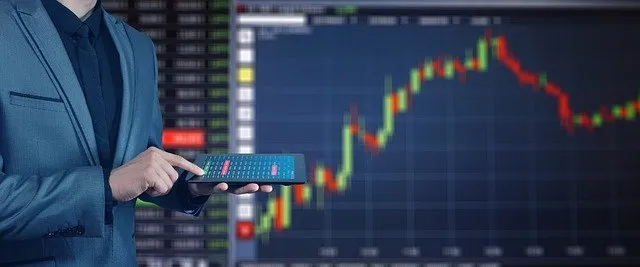
Image Source: Pixabay
Backtesting has also allowed traders to test their configurations against past crisis data, offering some confidence that current setups might perform reasonably well in a future crisis they have not yet experienced directly. This does not guarantee success on its own; it simply offers a more systematic approach to preparation than hoping existing setups hold up when the next disruption arrives. Traders who prepare seriously in this way often report reacting with more composure when a crisis occurs, compared with those who have not prepared in advance. This resilience has been facilitated by both the underlying stability of the platform and the adaptability of traders. While the trading conditions around it have become more volatile, the core functionality of the software itself has not changed. This is especially critical when traders are relying on their tools to work properly at times of extreme stress in the market, eliminating one of the variables in a complex equation.
The MT4 trading setups have remained in the ever-changing economic landscape of Argentina because of platform adaptability, community knowledge, and dependability. Taken together these factors have led to systems that remain flexible as economic conditions change, but do not provide total immunity from the risks inherent in any currency crisis.